When Robot Sensors Lie: How Tampered Inputs Break Safety Controls
New research shows that manipulated visual, audio, and message inputs can trick robots into ignoring safety protocols, challenging current risk assumptions.

Modern robots rely on various inputs to protect people nearby. A mobile machine needs accurate distance readings, position estimates, and stop signals to slow down or halt. However, safety features can fail if these inputs are wrong. Problems can arise from accidental faults or deliberate manipulation, leading machines to misinterpret their surroundings.
How Untrusted Inputs Alter Behavior
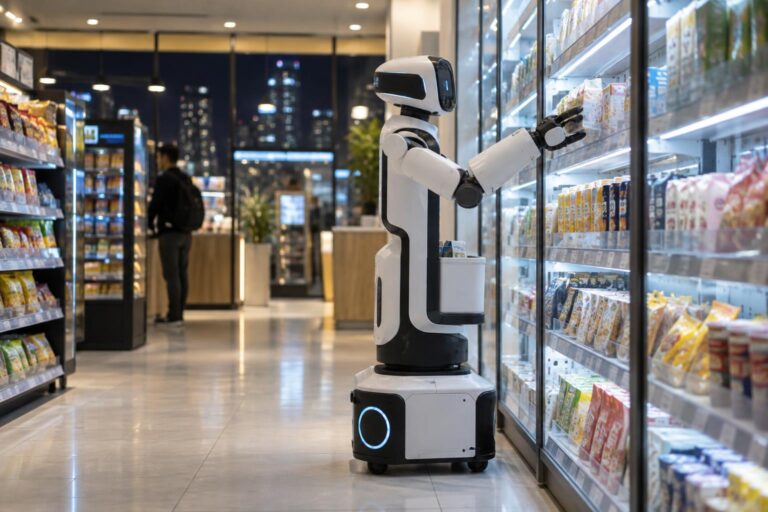
Robots often process what they see and hear to decide their next actions. Studies show that altering visual inputs can disrupt tasks. For example, specific image patches can cause vision models to ignore instructions. In tests involving a robot dog, text on a poster acted as an unwanted command and shifted the machine’s movement. Separate simulations found that inaudible audio signals could alter a hospital service robot’s behavior without changing its core tasks.
Targeting Safety Systems and Messages
Protective mechanisms also depend on data streams. Researchers demonstrated that injecting specific messages into a robot’s communication network could cause a machine expected to stay still to move instead. Similarly, acoustic attacks can target vulnerable sensors like gyroscopes, distorting a device’s sense of rotation and forcing balance controllers to react to phantom tilts. These tests highlight how deliberate attacks differ from random hardware faults because attackers can time and repeat the triggers.
Revisiting Safety Assessments
Traditional safety reviews often treat component failures as rare, accidental events. Intentional cyber threats invalidate those assumptions. Safety and security teams now need to test whether redundant sensors rely on the same vulnerable data pathways. Regulations are beginning to address these risks, requiring proof that safety-relevant systems can withstand data corruption. Experts recommend mapping all inputs, testing how systems handle false information, and checking whether a single manipulation can trick multiple safeguards at once.
How does this story land?
One tap per reader.
Quick poll
Can current robot safety standards handle cyber attacks?
One vote per reader. Results show after you vote.
Ask this story
Answers are written by AI from this story only. They can be wrong.