NASA restarts plan to bring Mars rocks to Earth as costs soar
NASA is launching a new effort to bring Mars samples back to Earth, aiming to bypass high costs and past delays.
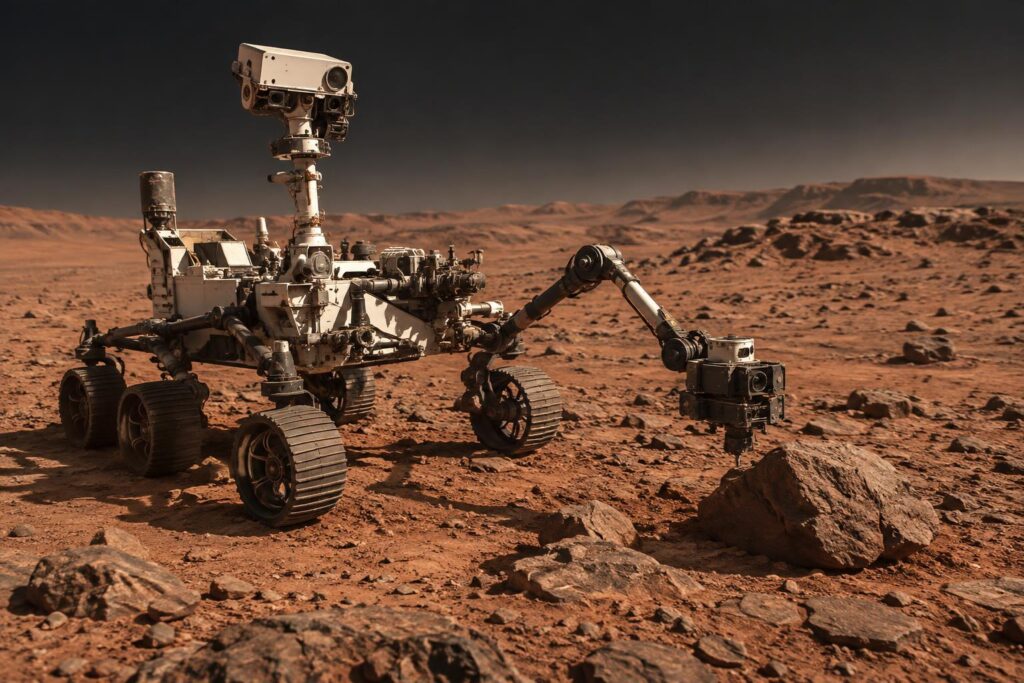
NASA is starting a new initiative to bring rock and soil specimens from the Red Planet back to Earth. The plan, known as the Perseverance Sample Retrieval Architecture, aims to create a fresh strategy for gathering sealed tubes left behind by the Perseverance rover.
A New Strategy for High Costs
Past attempts to organize a return mission faced severe budget issues, with estimated price tags reaching up to eleven billion dollars and return dates pushed out to the year 2040. Independent reviews flagged these costs as too high and the timeline too slow. The new initiative will assess past lessons, review mission requirements, and evaluate acquisition options. A strategy team kickoff is planned for early 2027, with a final report expected by the winter of 2027 to 2028.
Preparing for Human Spaceflight
Bringing samples back robotically also serves to prepare for future human missions. Researchers note that analyzing Martian soil and dust in terrestrial laboratories will help identify hazardous chemicals, such as perchlorates, that could harm astronauts or damage equipment. Understanding the abrasive dust can also help engineers design better spacesuits.
Global Space Race
Meanwhile, other space agencies are pursuing similar goals. China is making progress on its Tianwen-three mission, which aims to retrieve and return Martian material to Earth around 2031.
- NASA is reviewing options to collect samples gathered by the Perseverance rover.
- Past mission plans faced high costs and long delays.
- Returned samples could help researchers understand hazards before human missions begin.
How does this story land?
One tap per reader.
Quick poll
Are expensive Mars sample returns worth it?
One vote per reader. Results show after you vote.
Ask this story
Answers are written by AI from this story only. They can be wrong.