Hear Deep Space Flashes Turned Into Sound Inside a Finnish Cathedral
Cosmic energy flashes from distant galaxies have been transformed into musical tones playing daily inside a cathedral in Finland.
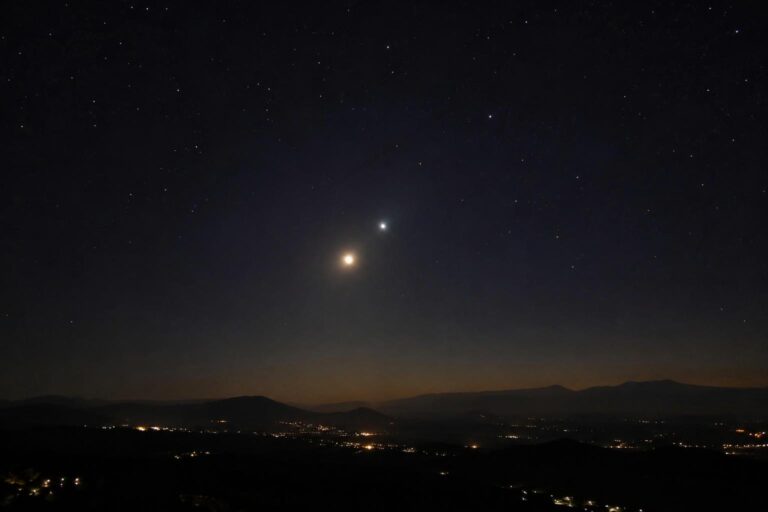
Invisible flashes of energy from distant galaxies are now something humans can listen to. A composer and a physicist have converted space data into sound. These events, known as fast radio bursts, release massive amounts of power in a fraction of a second. They vanish quickly, making them hard to study.
A special telescope in Canada changed how researchers track these signals by recording thousands of bursts over a few years. Because humans cannot see radio waves and space has no sound, an artist named Andrew Melchior worked with a physics professor to translate the data into acoustics. They mapped the signal structures to different musical pitches.
Listening to Ancient Cosmic Signals
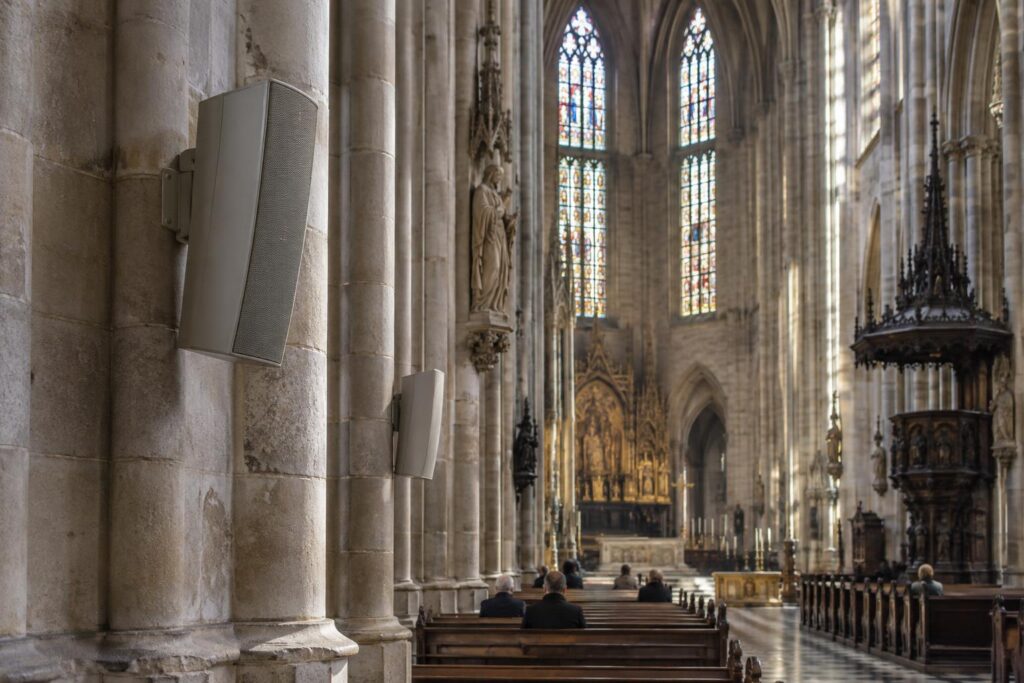
The resulting audio project plays daily inside a cathedral in Finland using twelve loudspeakers. Listeners can hear humming, rumbling, popping, and whistling noises. The youngest signals in the installation are millions of years old, while the oldest date back billions of years. Physics shapes the sound because gas in space stretches the radio waves, causing high frequencies to drop down as they travel.
The Mystery of the Source
Scientists still debate what causes these powerful cosmic flares. Some data points toward rotating neutron stars or highly magnetic objects called magnetars. Researchers continue to use advanced space telescopes to find the host galaxies of these distant bursts and learn more about their origins.
How does this story land?
One tap per reader.
Quick poll
Would you listen to space sounds in a church?
One vote per reader. Results show after you vote.
Ask this story
Answers are written by AI from this story only. They can be wrong.