NASA details plans to cut costs and increase rocket launch rates by the 2030s
NASA is changing its Space Launch System program to lower costs, increase flight rates, and prepare for future lunar missions.
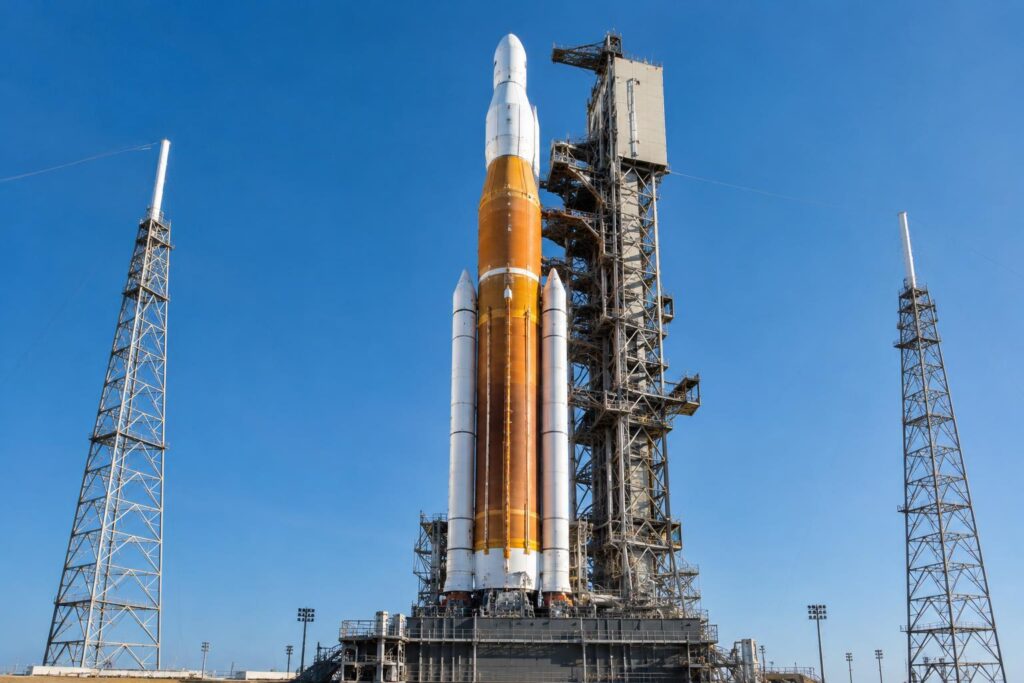
NASA Administrator Jared Isaacman has outlined new plans for the Space Launch System, known as SLS. The strategy aims to lower costs and increase flight rates by focusing on existing hardware while preparing for future transitions into the 2030s. Industry feedback on commercial lunar transportation showed that a complete replacement system will not be ready immediately, prompting NASA to improve current operations.
Changes to Upper Stages and Launch Structures
As part of the update, NASA abandoned the SLS Block 1B and its Exploration Upper Stage. Instead, the agency is moving toward a near-Block 1 configuration using a stretched Centaur V upper stage. This part is already in production for commercial rockets. NASA also stopped work on Mobile Launcher 2, noting that the structure was still years away from being ready. Officials plan to focus on operating a single mobile launcher and using spare parts from the canceled project to help other aerospace efforts.
Goals for Future Lunar Missions
The agency wants to achieve a launch rate of at least once per year for crewed missions. Long-term goals include establishing two transportation pathways to support regular crewed flights to the Moon every six months. While future commercial systems are expected to develop over time, the Orion spacecraft and related architecture will likely remain a core part of NASA operations into the next decade.
How does this story land?
One tap per reader.
Quick poll
Can NASA successfully cut rocket launch costs?
One vote per reader. Results show after you vote.
Ask this story
Answers are written by AI from this story only. They can be wrong.