Are Humanoids the Future of Robotics or Just a Trend?
Experts discuss recent breakthroughs in humanoid robots, questioning if a human shape is truly the best design for future AI tasks.
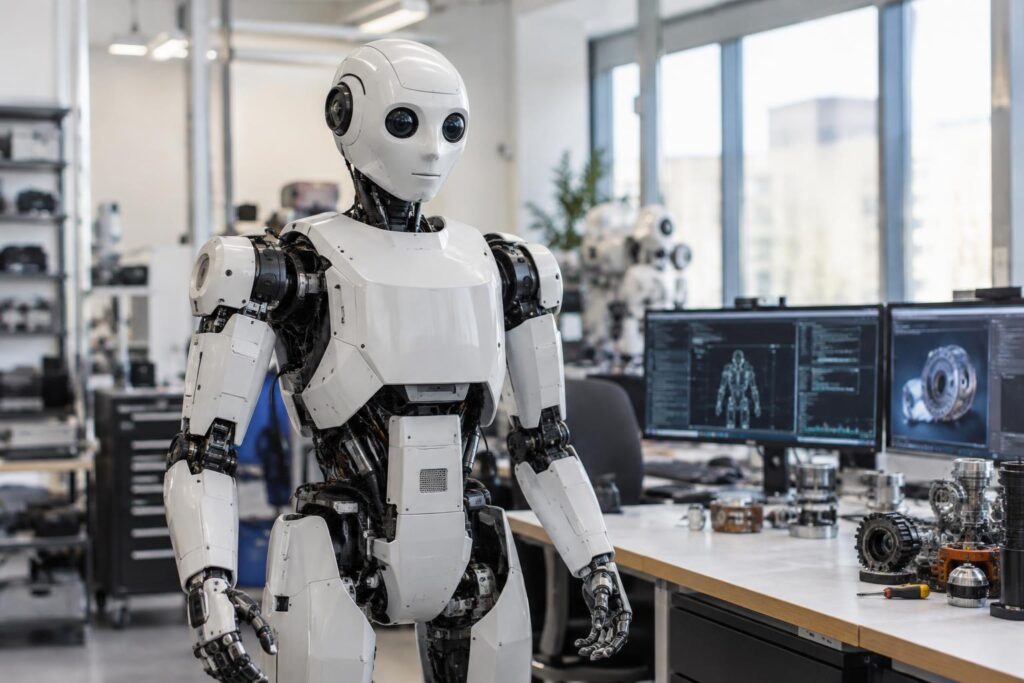
Recent international robotics competitions have showcased a major leap forward for humanoid machines. Experts meeting at a recent industry discussion noted that these robots are falling down less often and can now operate without constant human supervision. This progress comes from a mix of better hardware, improved algorithms, and new training methods.
The Shift Toward Humanoid Machines
Exhibitions and competitions are increasingly dominated by humanoid forms and robotic hands, moving away from older trends like drones and robot dogs. Researchers point out that modern humanoids now use learned controllers for walking rather than older, classical control methods. This includes training models in virtual simulations before transferring those skills to the real physical world.
Are Human Shapes Necessary?
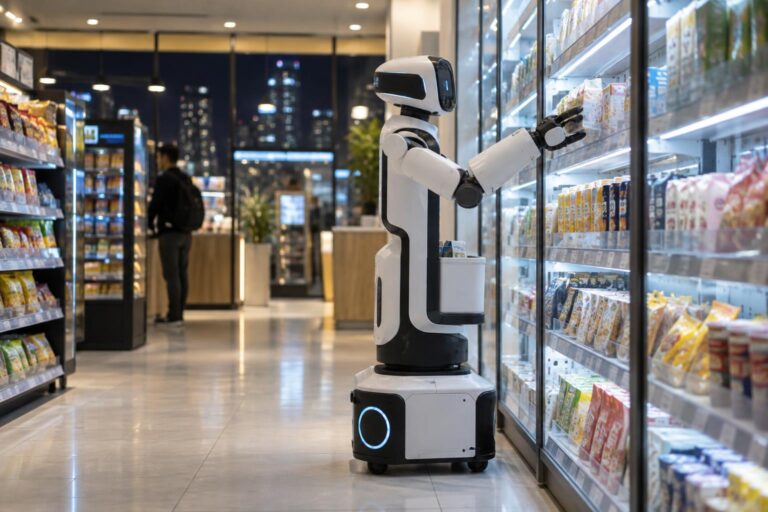
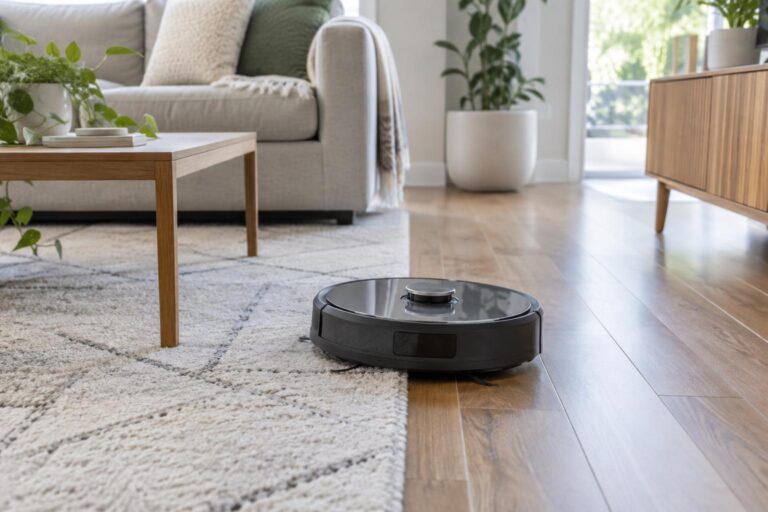
Despite the visible excitement, experts debate whether a human shape is actually the most effective design for getting tasks done. While everyday environments are built for humans, using a humanoid robot introduces high mathematical complexity regarding balance, forces, and motion. Simpler designs, such as wheeled robots, often prove more stable and efficient for specific jobs.
- Humanoid robots have recently gained significant capabilities and stability.
- Competitions are restructuring to focus entirely on humanoid soccer leagues.
- Task-specific robots may still outperform humanoids in many practical applications.
How does this story land?
One tap per reader.
Quick poll
Are humanoid robots the ultimate form for future AI?
One vote per reader. Results show after you vote.
Ask this story
Answers are written by AI from this story only. They can be wrong.