Why the Leonid meteor shower will be a quiet event this year
Sixty years after a massive storm, this year's Leonid meteor shower is expected to bring only a few shooting stars per hour.
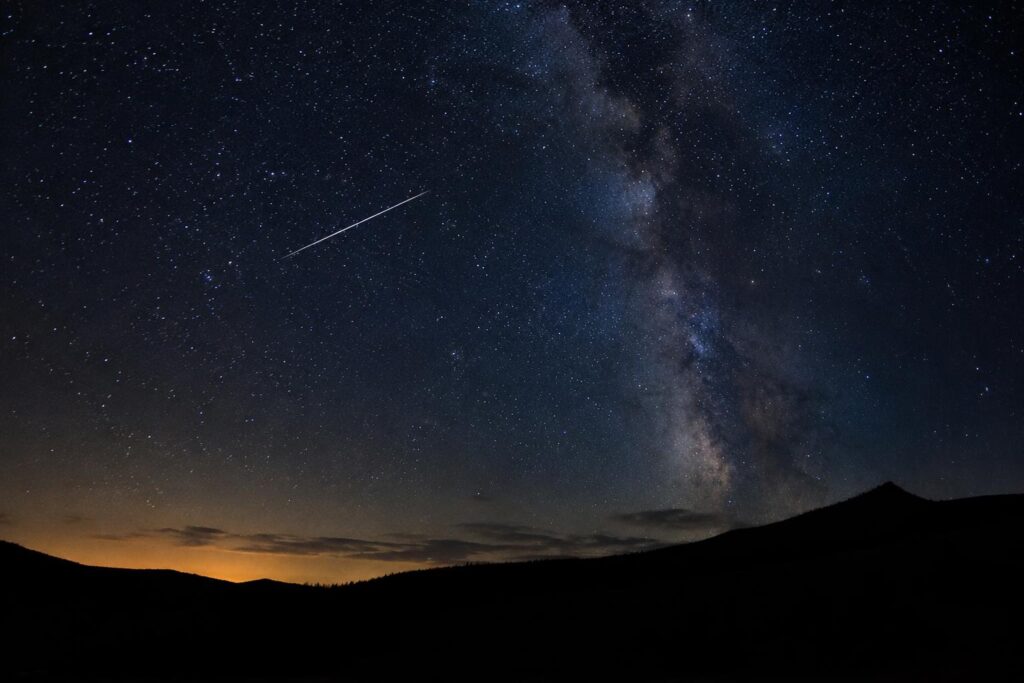
Sixty years ago, the skies over the central and western United States lit up with a remarkable display of shooting stars known as the Leonid meteor shower. Observers recorded up to 144,000 meteors per hour during the peak of that historic event. Today, space watchers are asking if a similar storm will happen again soon.
Understanding the Leonids
Meteor showers happen when Earth passes through dusty debris left behind by comets. The Leonids come from the Tempel-Tuttle comet, which travels through the inner solar system every 33 and a third years. When Earth hits a fresh trail of dust left by the comet, spectacular meteor storms can occur. Past outbursts in 1833, 1966, and later around the turn of the century produced thousands of shooting stars per hour.
What to Expect This Year
Unfortunately, this year will be a quiet season for the Leonids. Comet Tempel-Tuttle is currently far away from the sun, and the path Earth is crossing contains very little debris. Experts estimate that viewers might see only 10 to 15 meteors per hour under ideal conditions, with long stretches of seeing nothing at all. Although the moon will set early and leave the night dark, the lack of comet dust means most stargazers will experience a lean year for shooting stars.
How does this story land?
One tap per reader.
Quick poll
Will you watch the Leonids?
One vote per reader. Results show after you vote.
Ask this story
Answers are written by AI from this story only. They can be wrong.