Experts tell UK Parliament that Big Tech does bare minimum under Online Safety Act
Online safety specialists told UK lawmakers that tech firms fail to consistently block illegal material and are ignoring takedown requests from victim support groups.
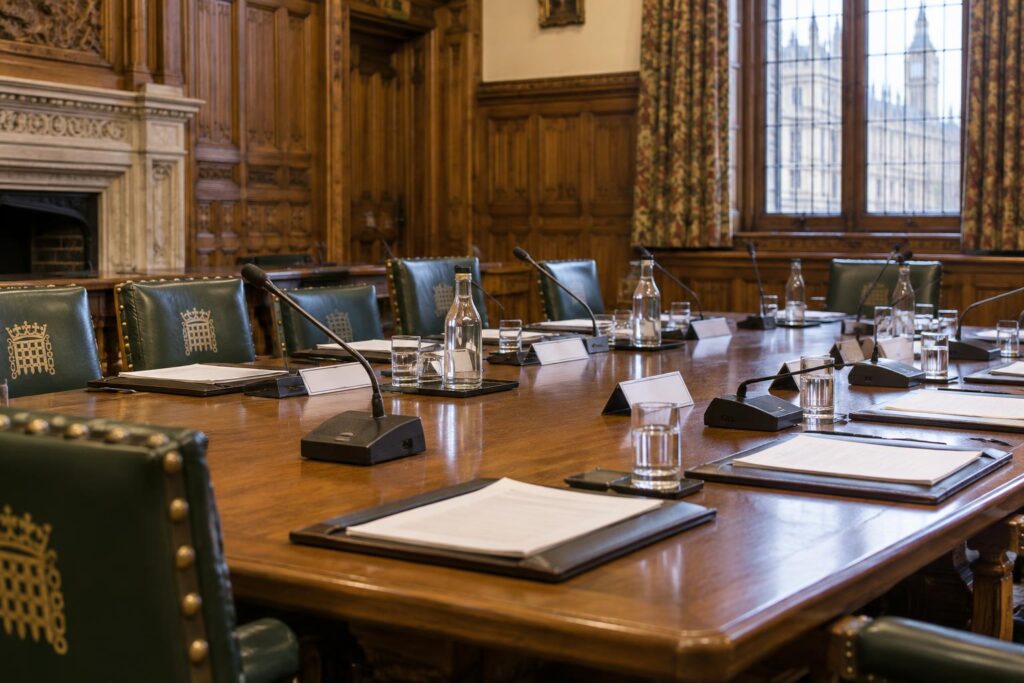
Major technology companies are performing only the bare minimum to show compliance with the UK’s Online Safety Act, safety specialists told Parliament’s Communications and Digital Committee. Experts argued that platforms are failing to protect vulnerable users and young victims from harmful material.
Search engines leave gaps in moderation
Clare McGlynn, a law professor at Durham University, criticized dominant search engines including Google and Microsoft’s Bing for inconsistent handling of extreme search queries. She noted that while specific terms such as “rape porn” and “force porn” were pushed back to later pages, very similar queries like “forced porn” or “unwilling porn” still appeared as early as the third page of results.
Alexandra Whiston-Dew, a partner at law firm Mishcon de Raya, stated that websites openly advertising illegal material are escaping action by search providers and communication platforms. She pointed out that UK regulator Ofcom has limited resources, putting more burden on tech companies across the publication chain to identify and block these sources.
Takedown success rates collapse
Safety groups also reported a sharp decline in how quickly platforms act on user complaints. Janaya Walker, interim director at the End Violence Against Women Coalition, shared figures from the domestic violence charity Refuge. Prior to November 2025, tech platforms acted on 53.7 percent of reports made by Refuge’s Trusted Flagger team. Over the past 12 months, that figure plunged to 18.2 percent.
Refuge reported that zero percent of its takedown submissions to Meta were successful over that recent timeframe. Meta’s own enforcement reports stated that it removed 27.8 million posts involving adult nudity and sexual activity between April and June 2026, though it does not provide a specific category for violence against women and girls.
Calls for individual legal redress
The panel noted that the UK law gives individuals no direct right to force the removal of intimate images or penalize perpetrators. McGlynn highlighted an alternative civil redress model used in British Columbia, Canada, where victims can quickly obtain removal orders and financial compensation through an online legal system.
How does this story land?
One tap per reader.
Quick poll
Should the UK give individuals the legal power to directly order content takedowns?
One vote per reader. Results show after you vote.
Ask this story
Answers are written by AI from this story only. They can be wrong.