Arm details the chip challenge behind AI wearables and smart glasses
Wearable AI devices face strict power and heat limits, forcing a shift in how chips handle local processing and cloud workloads.
The Rise of AI Wearables
Technology companies are shifting their focus toward a new generation of personal computing devices. Products like smart glasses and advanced audio gear aim to make artificial intelligence more personal and contextual throughout the day. Instead of looking at a smartphone screen, users interact through voice, gestures, and environment-aware software. This transition creates a major engineering hurdle. Delivering advanced intelligence requires significant computing power, yet wearable devices must remain small, lightweight, and efficient enough to wear comfortably for hours.
The Power and Thermal Challenge
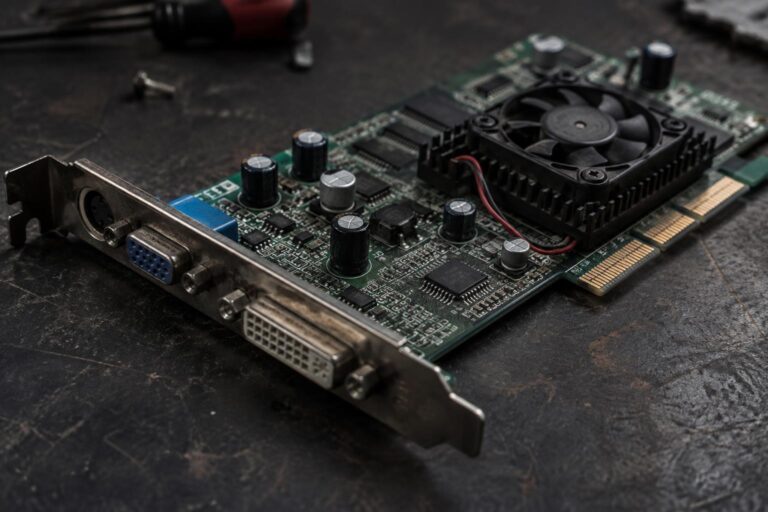
Unlike traditional computers or mobile phones, smart glasses have virtually no space for large batteries or internal cooling fans. Increasing processor performance often generates unwanted heat and drains power quickly. For wearable hardware, energy efficiency dictates how practical the device will be in daily life. Manufacturers must carefully balance performance against strict physical limits, ensuring the device does not become too heavy, hot, or short-lived on a single charge.
Hybrid Intelligence and Local Processing
To overcome these physical limits, engineers are rethinking where software tasks are executed. Some functions, such as tracking eye movements or recognizing gestures, need immediate responses and better privacy. These tasks run directly on the wearable device to reduce latency. More complex reasoning tasks are offloaded to connected smartphones or remote cloud servers. This combination of local and remote processing creates a hybrid system where workloads run wherever they achieve the best efficiency.
What Builders and Investors Should Watch
Chip designers and hardware makers are competing to dominate this emerging ecosystem. Arm-based architecture currently underpins a vast majority of smart glasses, utilizing specialized processors for graphics and machine learning tasks. As the market evolves, investors should watch how advances in low-power microprocessors and neural processing units enable new form factors. The success of AI-first wearables will depend heavily on the ability to deliver continuous, responsive intelligence without compromising battery life or user comfort.
How does this story land?
One tap per reader.
Quick poll
Will AI smart glasses replace smartphones?
One vote per reader. Results show after you vote.
Ask this story
Answers are written by AI from this story only. They can be wrong.