Europe’s 1-Ton GOCE Satellite Fell to Earth After Mapping Gravity
Ten years ago, the sleek European satellite known as the Ferrari of space re-entered Earth's atmosphere after running out of fuel.
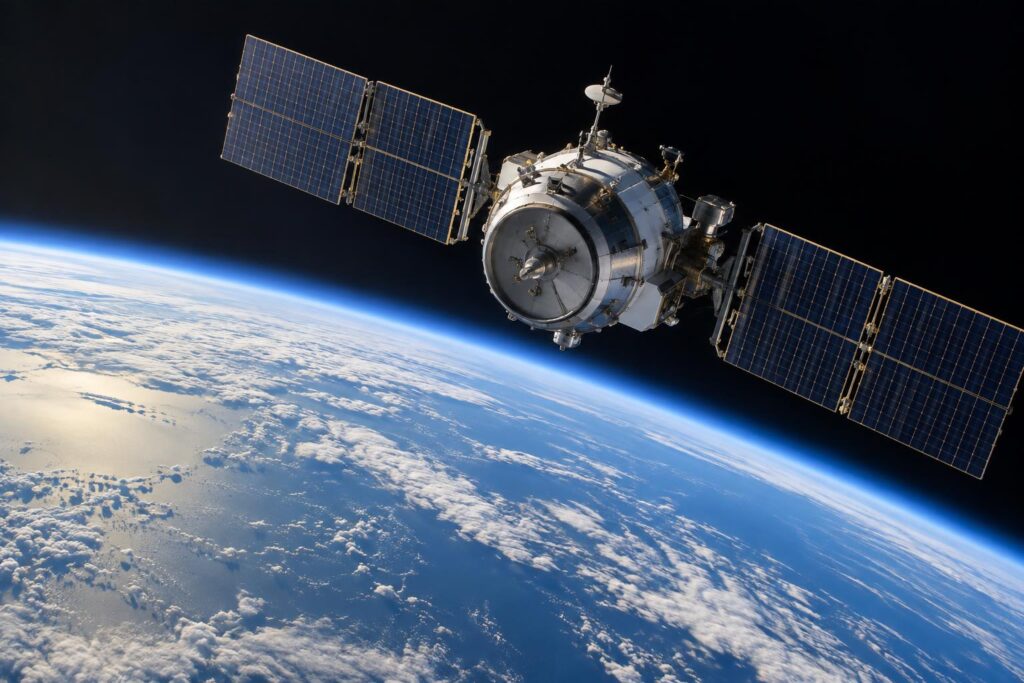
On November 10, 2013, a European spacecraft known as GOCE plunged back to Earth. The satellite spent four years in orbit measuring the planet’s gravitational field with extreme precision. Its official name was the Gravity field and steady-state Ocean Circulation Explorer.
A Unique Design for Low Orbit
GOCE featured a sleek design with fins covered in solar panels. This futuristic look earned it the nickname the Ferrari of space. To map gravity effectively, the spacecraft had to fly at a very low altitude of just 139 miles. At this height, it faced heavy drag from the thin outer layers of the atmosphere. An onboard xenon ion engine helped it maintain its position.
Reentry and Mission Success
The mission came to an end when the satellite ran out of fuel. Without power to fight atmospheric drag, the one-ton vehicle lost its orbit. It broke apart safely in the atmosphere about 50 miles above the Falkland Islands, causing no damage on the ground. Space officials considered the mission a major success because the craft mapped Earth’s crust, mantle, and ocean currents far longer than initially expected.
- GOCE launched in 2009 to map Earth’s gravity.
- It operated at an unusually low altitude of 139 miles.
- The spacecraft safely disintegrated in the atmosphere in 2013.
How does this story land?
One tap per reader.
Quick poll
Should dead satellites be cleaned up faster?
One vote per reader. Results show after you vote.
Ask this story
Answers are written by AI from this story only. They can be wrong.