MIT Scientists Win Up To $38 Million To Build Disease-Tracking Wearable
Researchers at MIT are leading a four-year project to develop a wearable patch that monitors early signs of heart disease and sepsis.
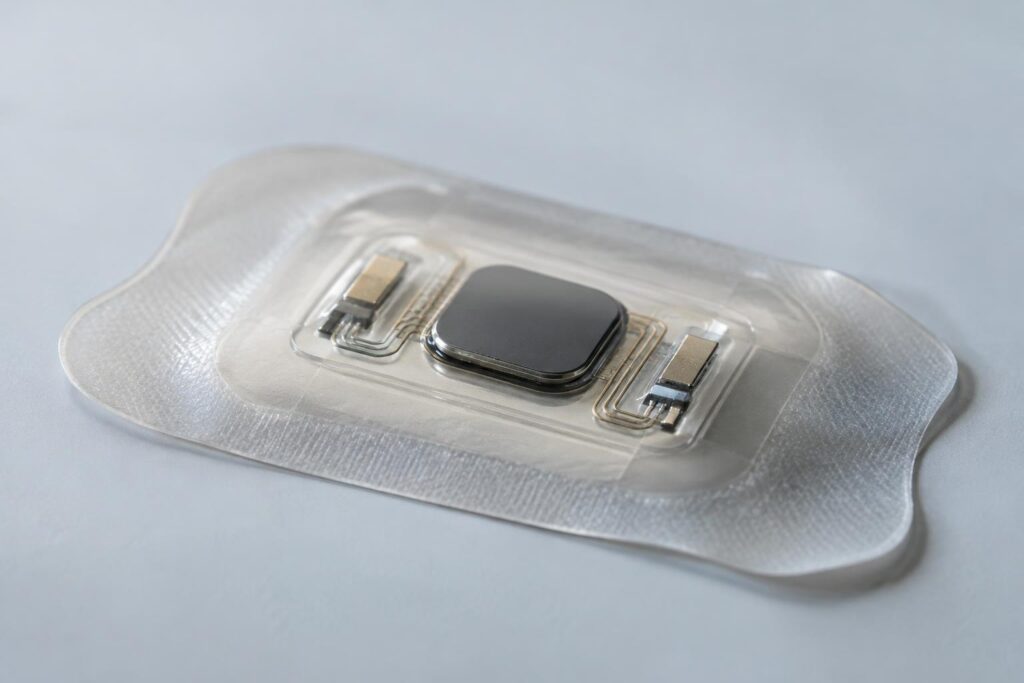
A team of researchers at the Massachusetts Institute of Technology is leading a four-year project to build a wearable patch that tracks biomarkers for heart disease and sepsis. The project has received up to $38 million in funding from the U.S. Advanced Research Projects Agency for Health. Named PYTHIA, the device aims to provide continuous, clinical-grade health data in real time.
Detecting Lethal Conditions Early
Heart disease is a major cause of death, while sepsis is a leading cause of hospital mortality and kills hundreds of thousands of adults in the U.S. annually. The new project targets these conditions to help clinicians spot warning signs before severe damage occurs. The wearable device could also help track patient recovery after leaving the hospital.
Powered by Body Heat and Microelectronics
The patch will run on heat generated by the patient’s body. It uses advanced microelectronics and chemical reactions to measure hard-to-find molecules in the fluid beneath the skin. Because the device gathers large amounts of data constantly, it will use artificial intelligence models on a chip to turn raw data into useful information for medical staff.
How does this story land?
One tap per reader.
Quick poll
Would you wear a continuous health monitor to detect diseases early?
One vote per reader. Results show after you vote.
Ask this story
Answers are written by AI from this story only. They can be wrong.